PAMSIMAS Program Objective: The goal of PAMSIMAS (Community-Based Water Supply and Sanitation) is to expand access to safe drinking water and adequate sanitation for underserved rural and peri-urban communities.
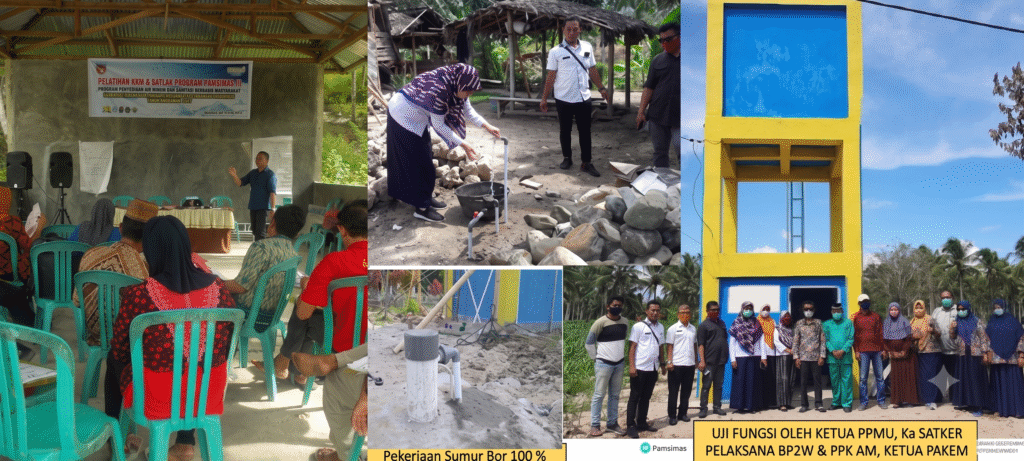
Program Components: Community Empowerment & Institutional Development; Promotion of Healthy Living through STBM; Provision of Water and Sanitation Facilities; Incentive Grants; Project Implementation & Management Support
Role of ROMS (Regional Oversight Management Services). ROMS supports CPMU, CPIU, and regional units (PPMU, DPMU, Provincial Satker) in: Managing and implementing the program at provincial, district, and village levels to achieve KPIs; Ensuring timely and accountable payments for expert/staff salaries, capacity building, and operations; Safeguarding all supporting documents for audit purposes.
Scope and Key Responsibilities of ROMS:
- Program Planning & Support: Assist PPMU/DPMU in planning, facilitator recruitment, TOR/BOP preparation, activity scheduling, and target setting; Monitor budget allocations (DIPA/DIPDA, APBD/APBDesa) and support capacity building.
- Village Selection & Facilitation Oversight: Support village selection and provide technical assistance to Pakem and Community Facilitator Teams (TFM).
- Village-Level Technical Support: Ensure timely and quality implementation of activities, evaluate RKM, monitor community outcomes, and support sustainability (tariffs, BPSPAMS performance, etc.).
- District-Level Technical Support: Facilitate RAD AMPL preparation, cross-sector coordination, and integration into local planning documents (RPJMD, RKPD, RPJMDesa).
- Program Synchronization: Align rural water and sanitation programs and budgets across all levels to achieve universal access.
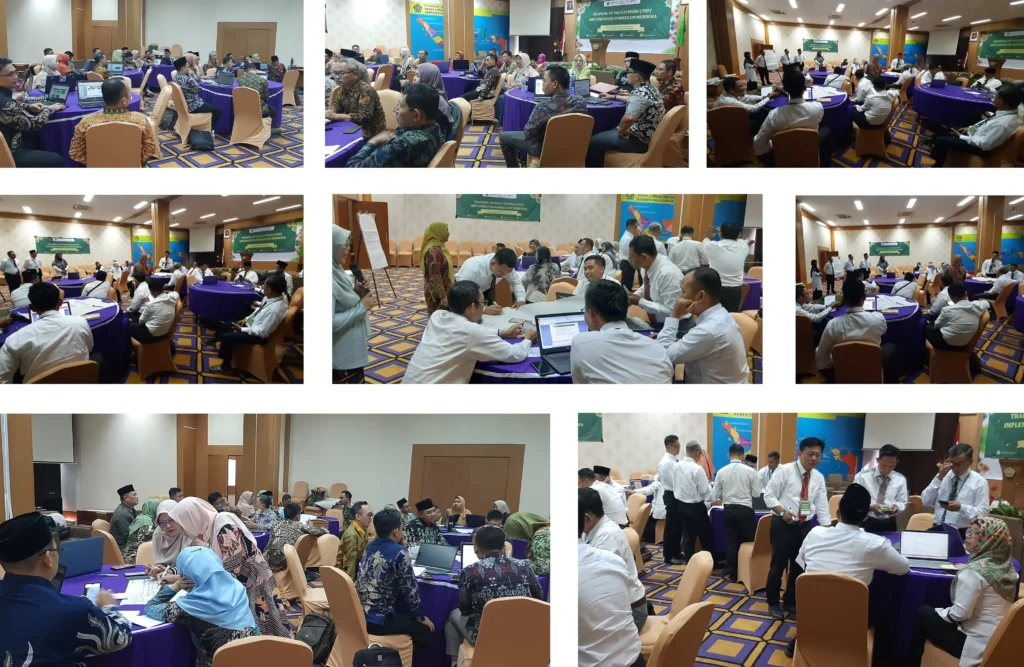
- Training & Capacity Building: Manage and support training, workshops, and capacity-building events at provincial and district levels.
- Problem Solving & Policy Advocacy: Provide backstopping for implementation issues, cross-institutional coordination, and community coaching.
- Information Dissemination: Distribute and explain guidelines, improve TFM communication skills, and monitor information outreach.
- Monitoring & Evaluation: Ensure accurate MIS data entry, build local capacity in MIS use, follow up on audits, and evaluate program implementation regularly.
- Contract & Financial Management: Manage contracts, salaries, and operational costs with accountability and timely reporting via Smart-Sight.
- TFM Payment Verification: Review reports, timesheets, and bills to recommend timely payments for facilitators.
- Reporting: Submit regular implementation and progress reports to PPMU, DPMU, CPMU, and NMC, including risk management updates.